Althea Thauberger: Der Kleiekotzer (The Bran Puker)
With contributions by: Amy Jo Ehman, Paige Gratland, and Skeena Reece.
Der Kleiekotzer (The Bran Puker) is a major new multimedia installation by Saskatchewan-born artist Althea Thauberger. Known internationally for her place-based experimental documentaries, Thauberger here turns a lens for the first time toward the Treaty lands, province and communities of her upbringing.
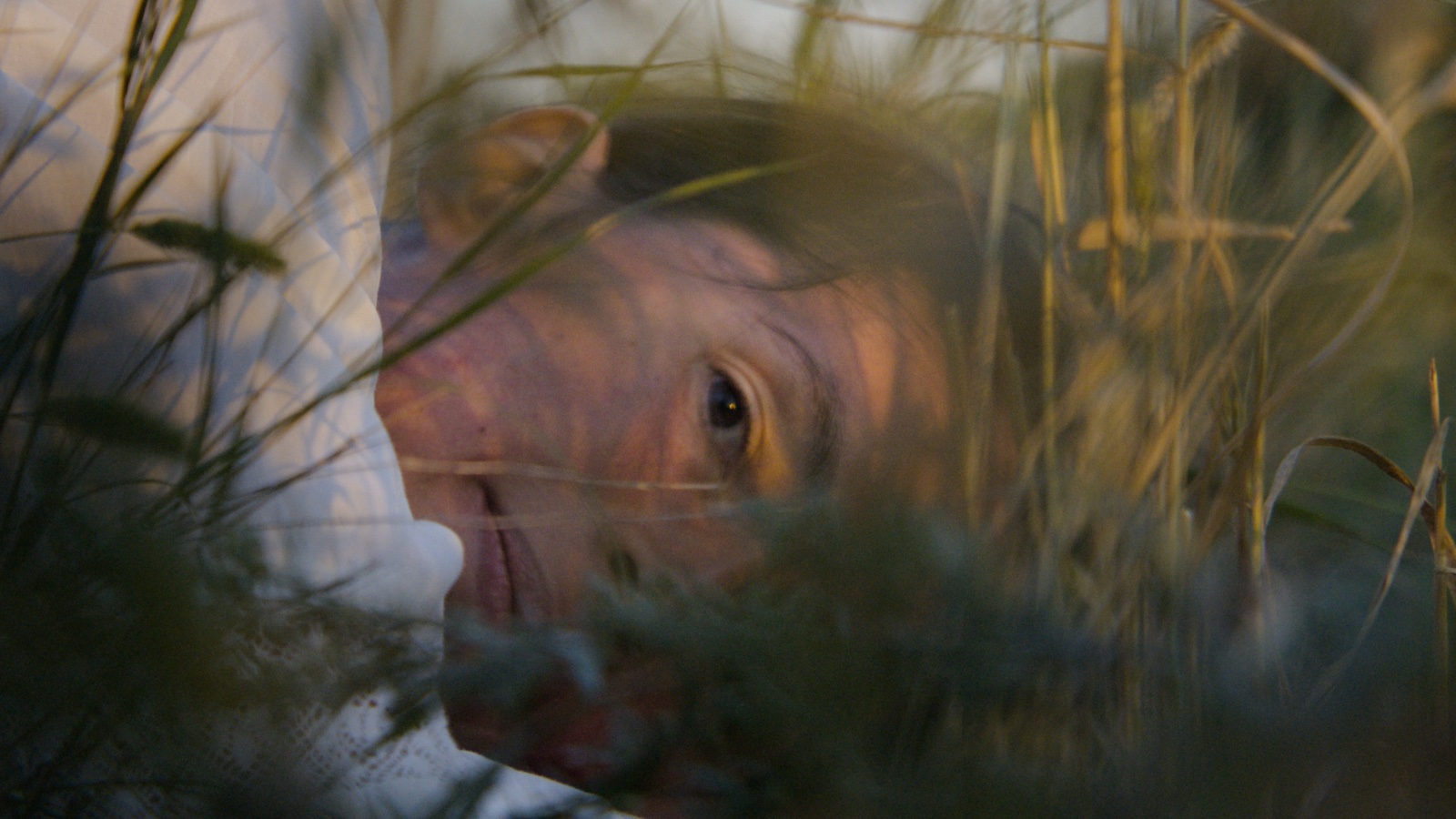
At the heart of the exhibition is an experimental non-fiction video work, the result of three years of collaborative research and production. Beginning with stories of her ancestors, the work speculates on aspects of the geopolitical history of the Black Sea German ethnocultural settler communities. These groups were instrumental to the colonial project of establishing Canada and the United States, and political histories of wheat farming.
Event/Exhibition meta autogenerated block.
When
November 14, 2025 – February 15, 2026
Where
Connect Gallery

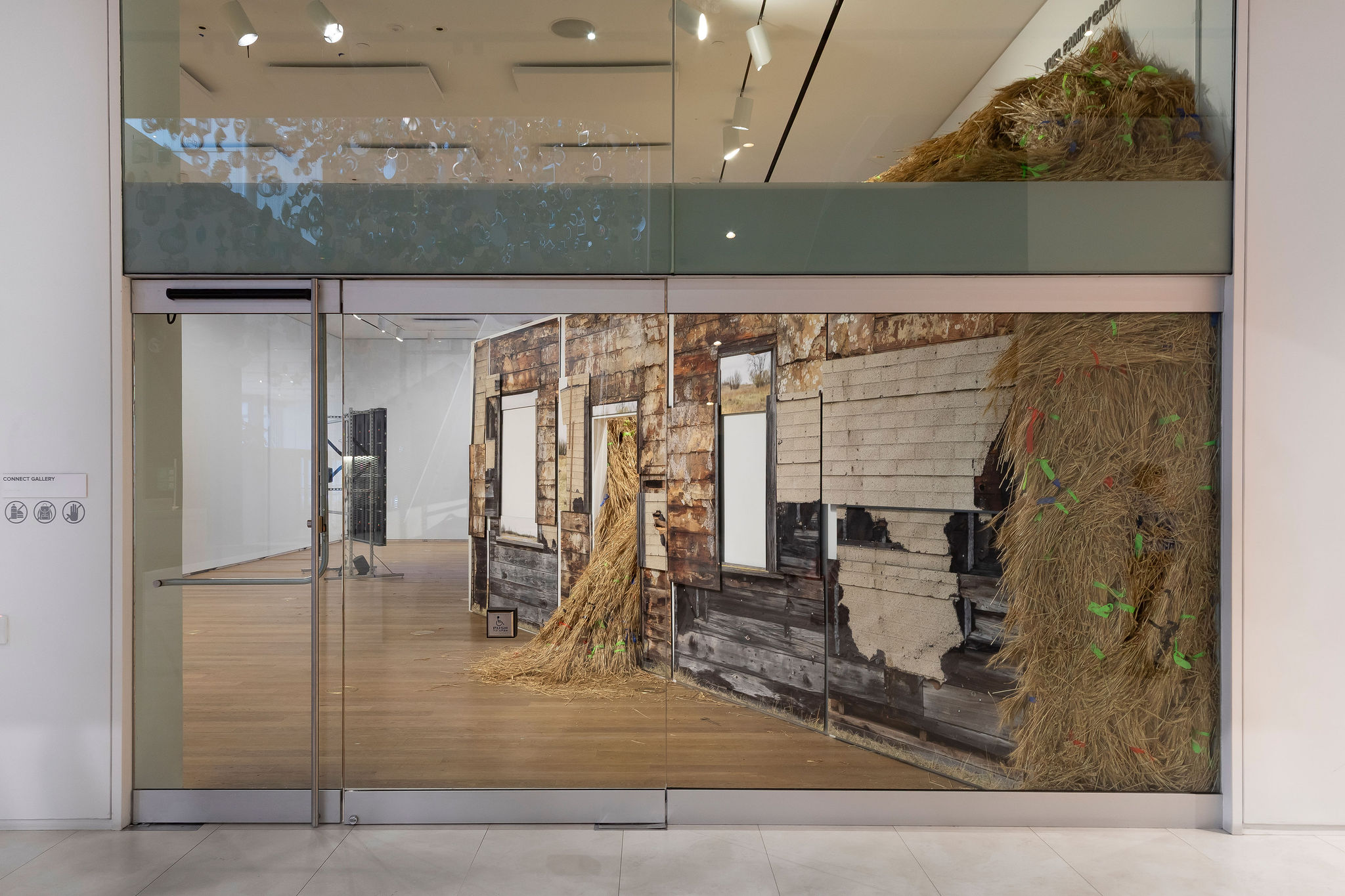
The exhibition’s title is borrowed from historical objects used as spouts on flour mills in the Upper Rhine region in the 18th and 19th centuries, where Thauberger’s ancestors originated. The project takes the form of an immersive installation that incorporates photographic and video documentation, wheat, and replica objects associated with a subset of the Black Sea German cultural group. These elements give tangible and experiential form to the film’s narrative, weaving together the very substance of settlement—shelter, sustenance, and economic purpose—with the lives, cultures, and livelihoods they engendered and displaced.

While drawing on the methodologies and materials for which she has become recognized globally, Der Kleiekotzer marks a significant turning point in her practice: a return to the place of her upbringing, refracted through histories of migration, settlement, and their ongoing neocolonial dynamics.


Carried by rivers, held by lands
Der Kleiekotzer (The Bran Puker) is presented as part of Carried by rivers, held by lands, a multi-year project that convenes a group of artists with diverse practices living and working across the northern hemisphere, from urban centres to remote, rural, and reserve communities. In response to its location on the banks of kisiskâciwani-sîpiy (the South Saskatchewan River), Carried by rivers, held by lands considers the museum’s connections to multiple elsewheres.
Coalescing around land- and water-based livelihoods and knowledges, Carried by rivers, held by lands foregrounds the critical interdependencies and specificities that define our shared present and collective future, particularly considering the urgencies of the climate crisis and the inheritances and status of colonial capitalism. Rather than a group exhibition, it is an exercise in creating connections and building alliances between artists, artworks, and locations over time—an attempt to create a context across distances, based on affinities and shared concerns, and a belief in the importance of staying with the trouble. As Donna Haraway writes, this means learning to be truly present in ‘mixed-up times’ marked by both devastation and joyful resurgence, and cultivating situated relations of response and alliance rather than deferring responsibility to an imagined future.
Curatorial Team
Carried by rivers, held by lands is curated by Aileen Burns and Johan Lundh, Co-Executive Director and CEO, and Tarah Hogue, Adjunct Curator (Indigenous Art), Remai Modern, Saskatoon; and Maria Lind, Director, Kin Museum of Contemporary Art, Kiruna.
Artist
Althea Thauberger is an artist, filmmaker, and educator known for place-based experimental documentary projects that emerge from collaborative research and production processes. Her work—spanning photography, film, video, and performance—explores relationships between community stories and geopolitical histories. She was born in Saskatoon and is of settler Scandinavian and Black Sea German descent.
Thauberger’s recent exhibitions include the Kaunas Biennial (2021); Contemporary Art Gallery, Vancouver (2020); the Toronto Biennial of Art (2019); the Art Gallery of Nova Scotia (2019); the National Gallery of Canada (2019); Musée d’art contemporain de Montréal (2017); and the inaugural Karachi Biennale (2017).
Carried by rivers, held by lands is generously supported by the Canada Council for the Arts